2020 Annual Report

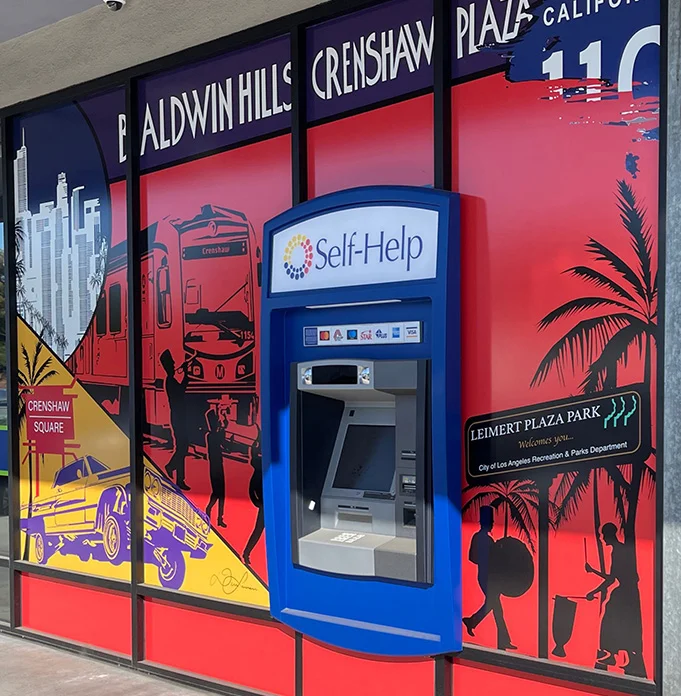
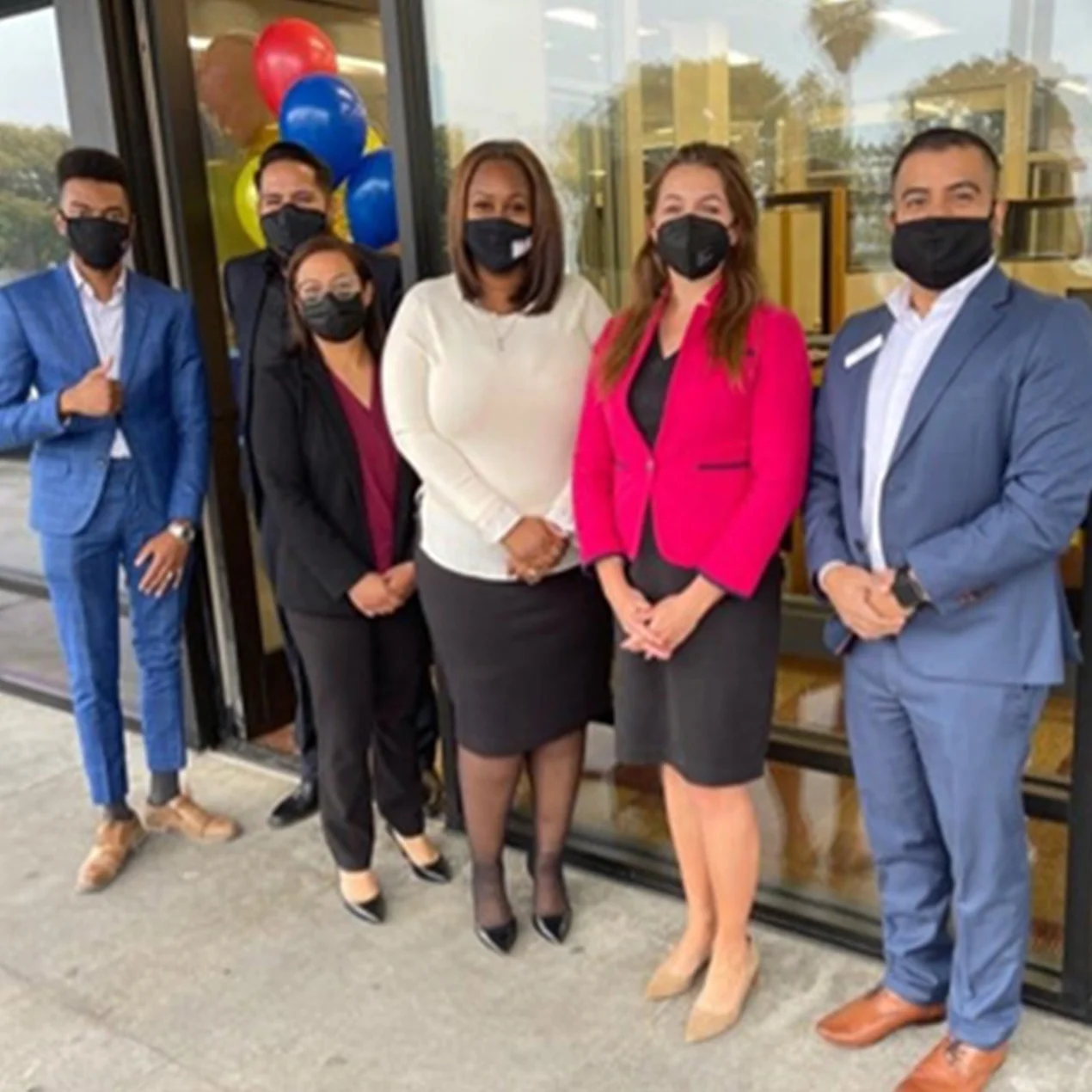
Our 2020 COVID relief loans went to small businesses and nonprofits essential to their communities. We also prepared to expand services, as in the Crenshaw neighborhood of Los Angeles (above).
In a year of hardship and upheaval, we focused on the physical and financial health of staff, members and allies
Strategies changed, but our collective work to expand economic opportunities never stopped. Even during a global pandemic, homebuyers and entrepreneurs achieved their dreams. Advocates fought harder than ever for justice. And we joined our allies in extending ourselves to care for each other and our communities.
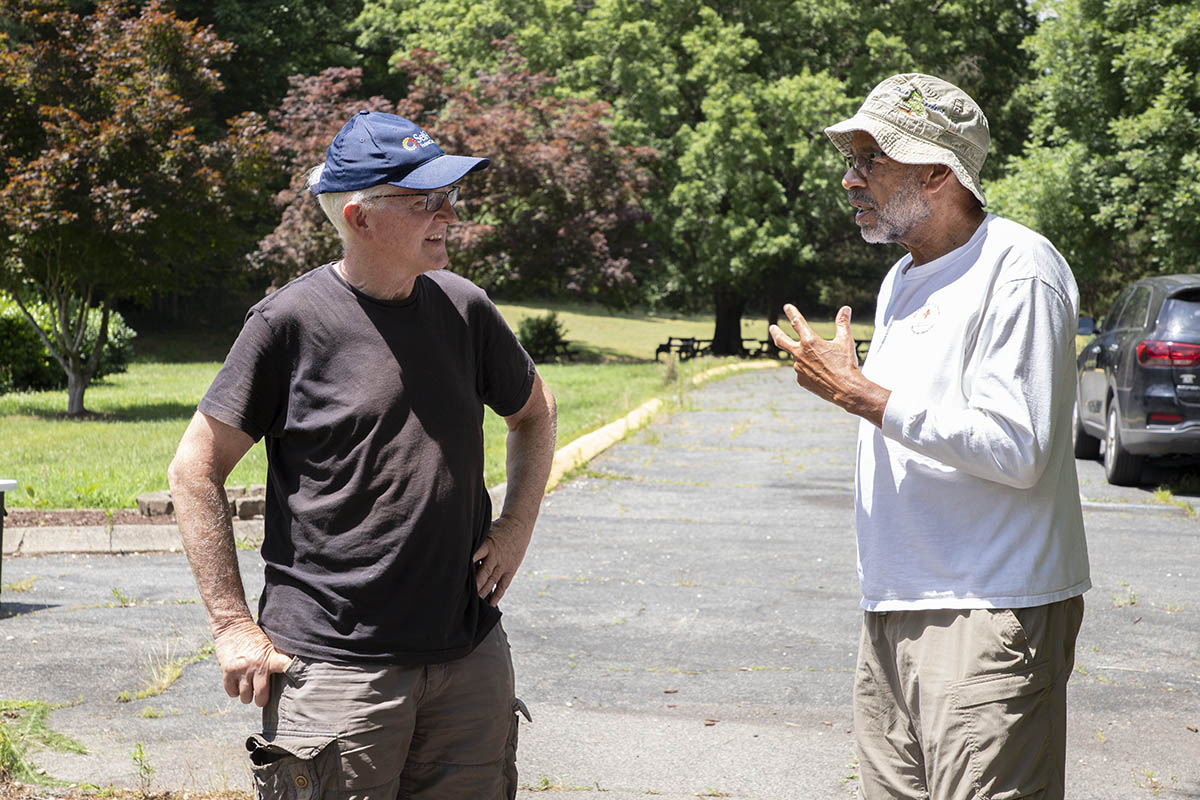
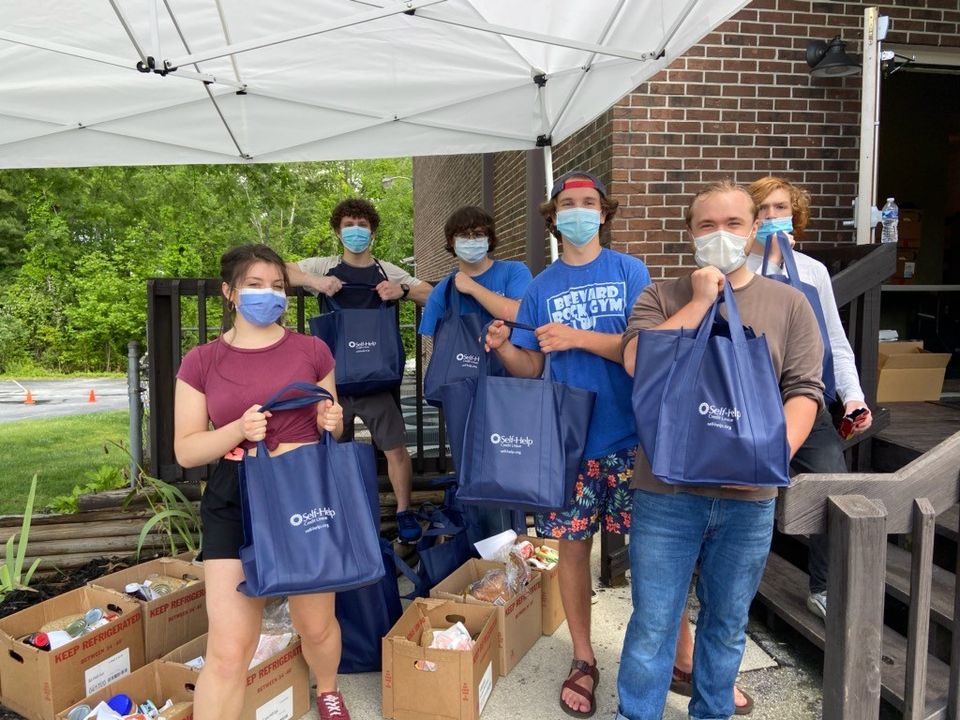
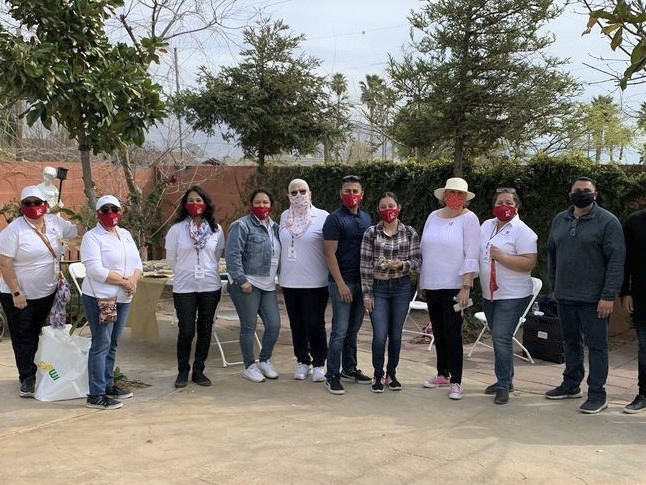
Top: Volunteers in Brevard, NC help distribute food to those in need. Lower: Volunteers in California's Kern County, including staff from Self-Help's Lamont Branch, provide assistance at a vaccine site.
Paycheck Protection Program Relief Loans
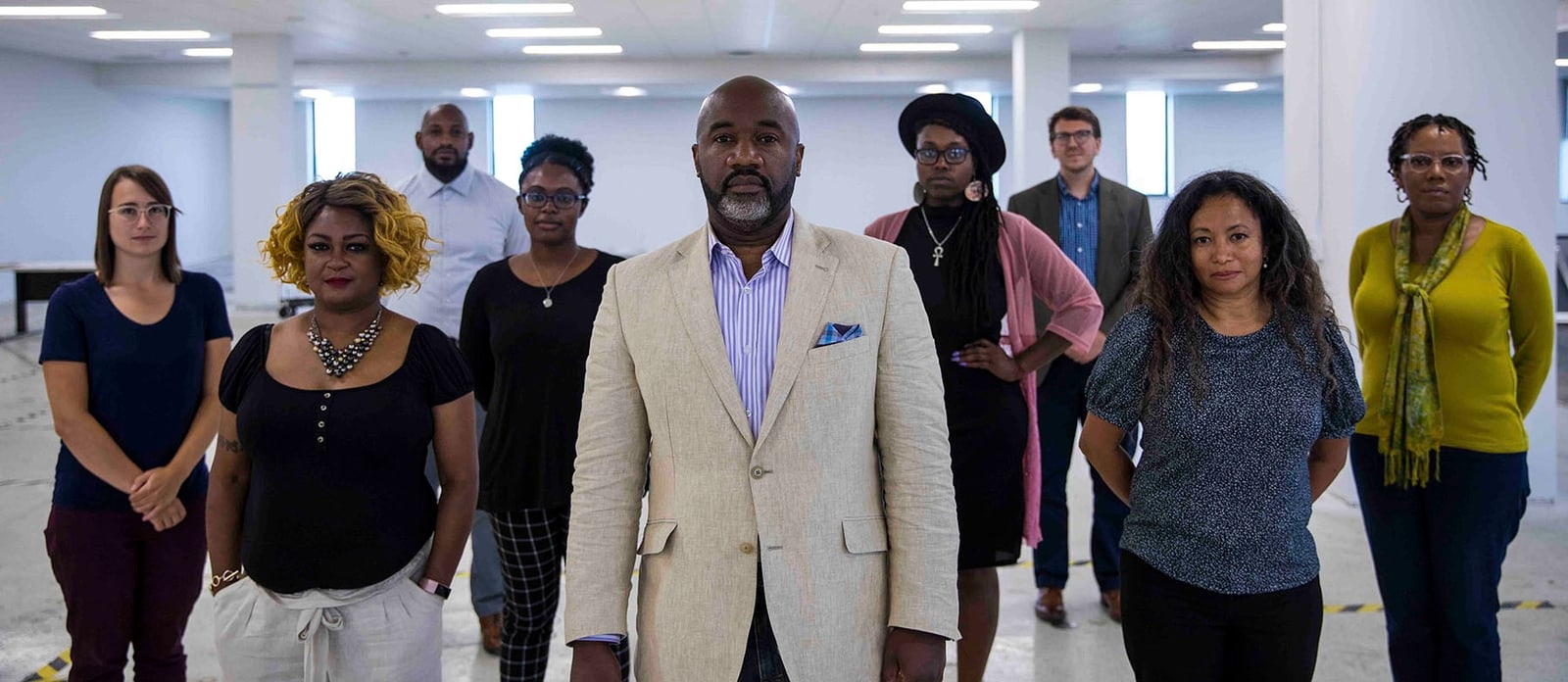
Sixty-six percent of our PPP loans went to nonprofits, such as the Northwest Side Community Development Corporation in Milwaukee, which works to create jobs and build stronger neighborhoods.
When the federal government authorized the Paycheck Protection Program through the Small Business Administration, we mobilized resources quickly to provide relief loans. Our lending focused on assisting nonprofits and small businesses run by women and people of color, especially those that currently partner with us for financial services or social justice.
- 1,758 number of loans made
- $183,000,000 dollar amount
- 20,000 jobs maintained
- $20,830 median loan amount
- 63% entities run by people of color
- 66% nonprofits
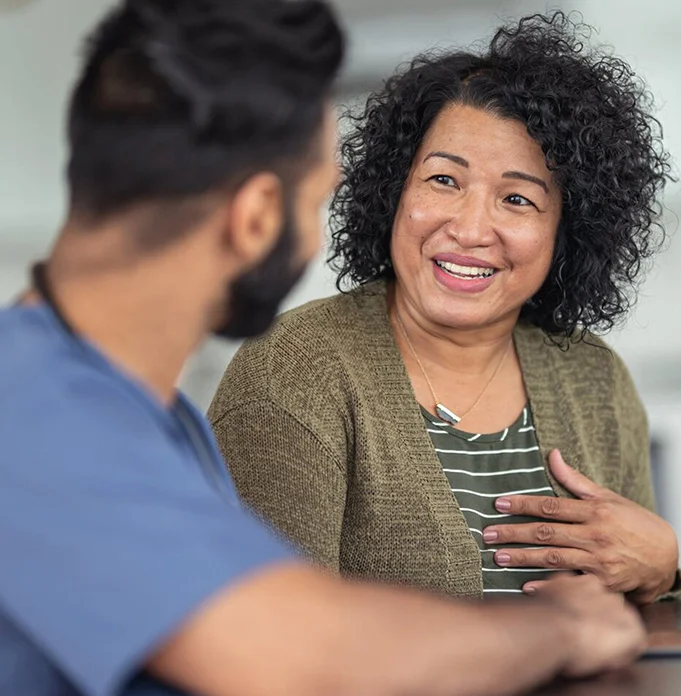
Our 2020 COVID relief loans went to small businesses and nonprofits essential to their communities, like Bennett College and Appalachian Mountain Community Health Center (left).
PPP Relief Loans Aimed at Strengthening Communities
Stories From PPP Partners

Self-Help's advocacy and policy arm, the Center for Responsible Lending, was a key player in pushing for needed changes to the PPP. With partners, CRL helped document racial disparities in the program and successfully advocated to improve its shortcomings.
In May 2020, CRL hosted a Facebook Live Town Hall, "COVID-19 Economic Relief and the Black Community," featuring Representative Maxine Waters; NAACP Legal Defense Fund and Educational Fund President and Director-Counsel Sherrilyn Ifill; and CRL Board member Lisa Rice among others.
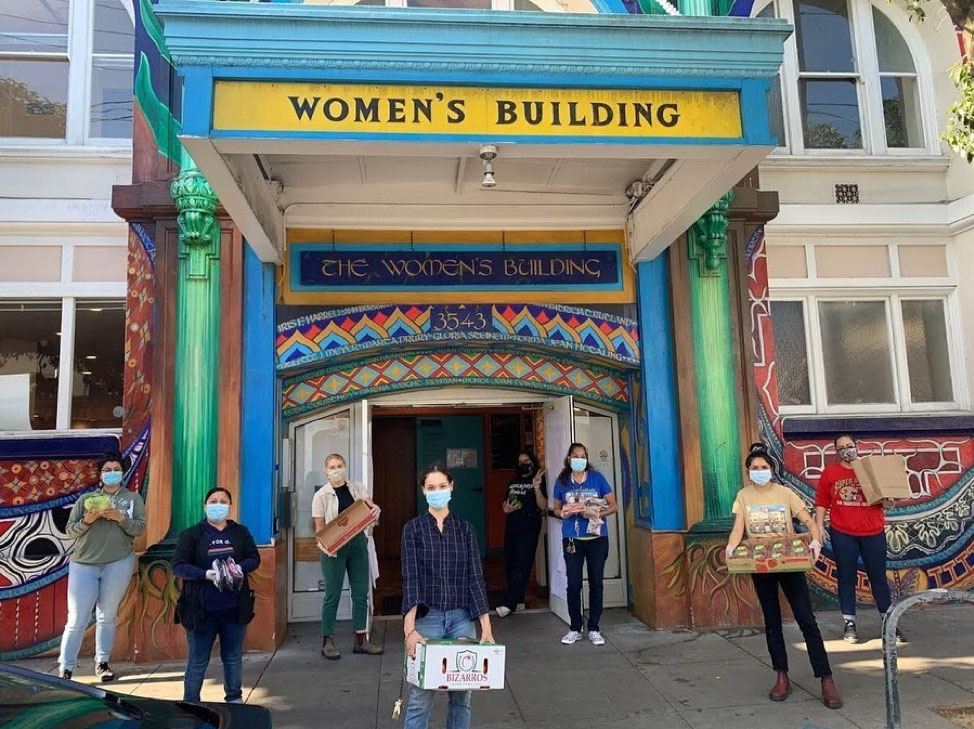
Pictured: One of our PPP recipients, the Women's Building in San Francisco, has continued providing food, housing and immigration services during the pandemic.
Financial services rooted in communities
Continuing financial services while keeping people safe.
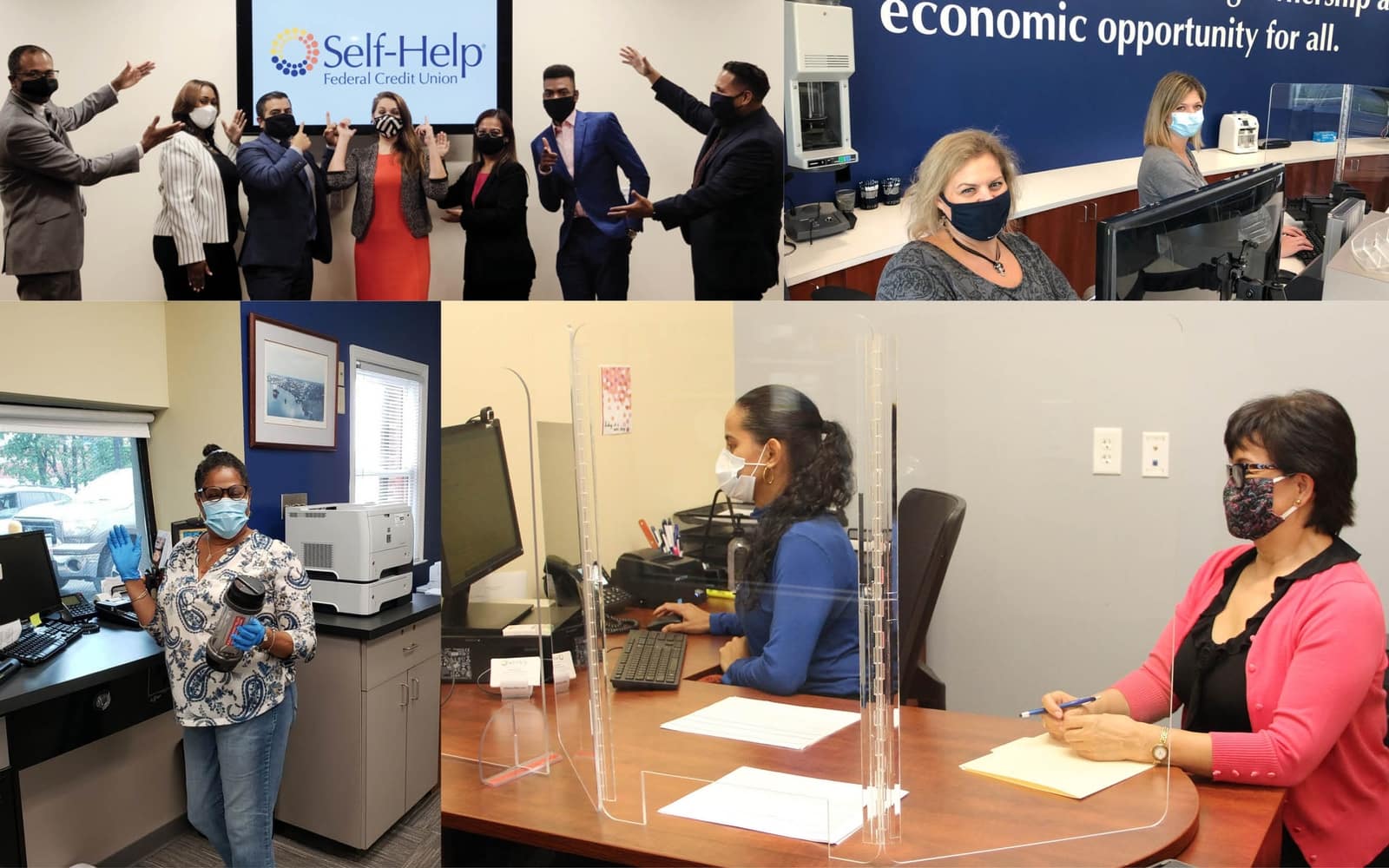
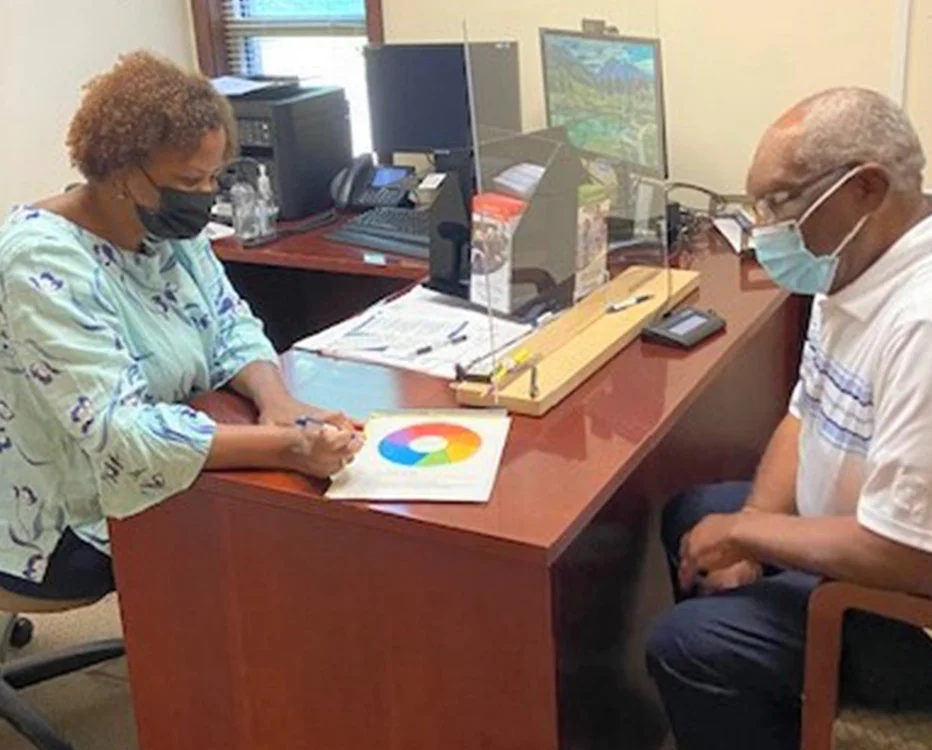
Financial empowerment is part of our everyday work with members. We offer credit builder products to help boost credit scores, and several of our branches are staffed with dedicated financial coaches who work hand-in-hand with members who are seeking to lower their debt and/or prepare for homeownership. All members also have free counseling and resources at their fingertips through our partner Greenpath Financial Counseling.
Donetta Collier counsels a member in Charlotte, NC.
- Donnetta Collier, Self-Help Senior Financial Counselor
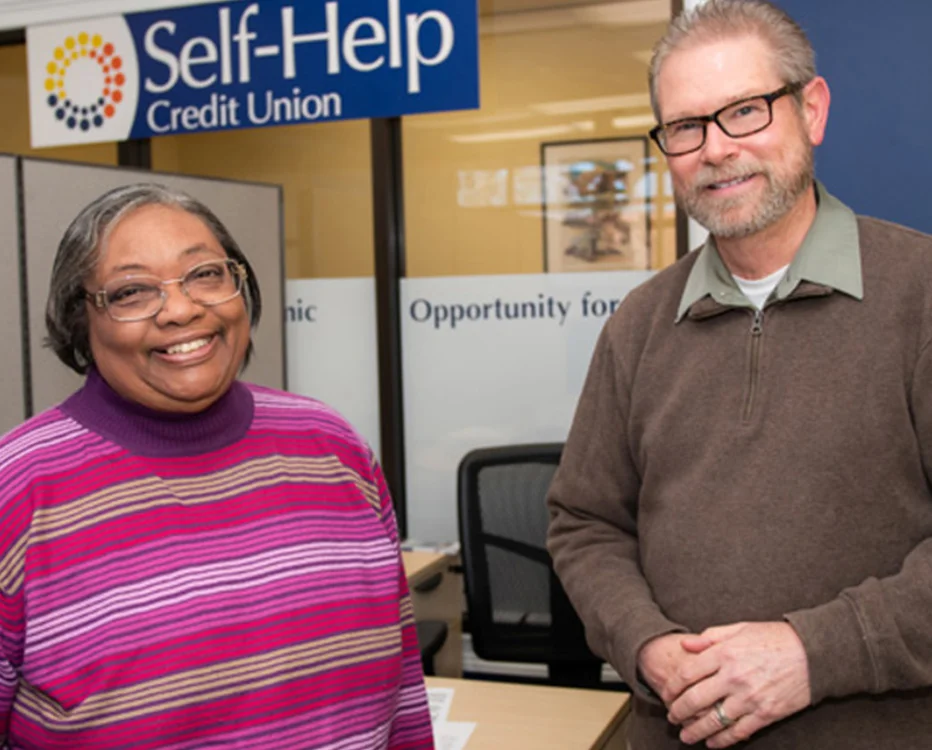
Ms. Iris Burdine is retired in Greenville, SC and lives on a fixed income. When she came to Self-Help last year, she was mired in debt. She had purchased an overpriced used car, and the dealer had piled on thousands of dollars in fees. Trying to be responsible and make her payments, Iris had gone to a payday lender and received another predatory loan designed to keep her in debt. We were able to refinance the payday loan, help Iris find a reasonably priced car, and connect her with a financial empowerment counselor. Read the full story in the Greenville Business Magazine.
Ms. Iren Burdine with Self-Help loan officer David Finely. Photo: Amy Randall Photography.
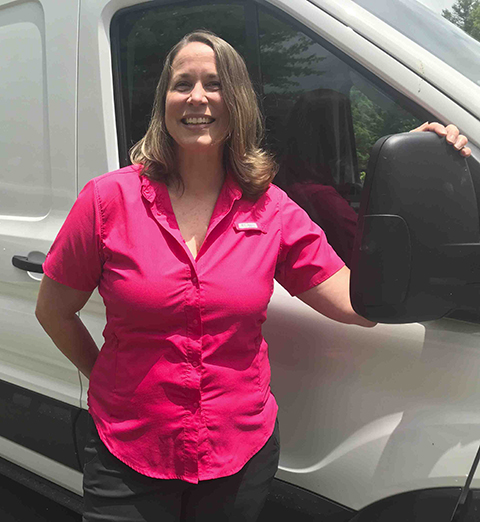
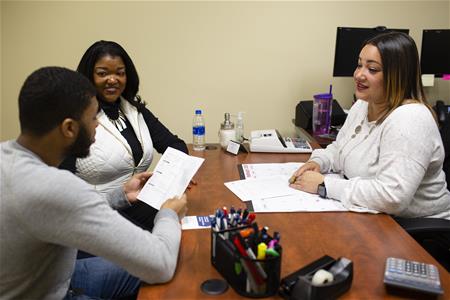
Sharita Hines, our bilingual mortgage loan officer in the new Raleigh branch, meeting with Self-Help staff Shondra Tanner (Home Lending) and Jajuan Monroe (Marketing and Communications).
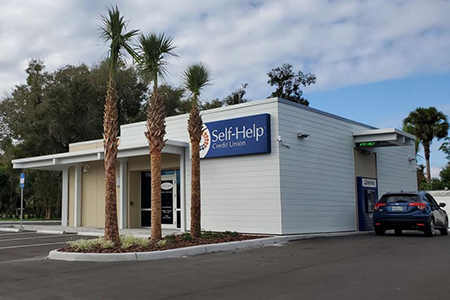
Our new branch in DeLand, Florida opened in November, continuing service in Volusia County in the east-central part of the state.
Under construction in 2020: Now Open!
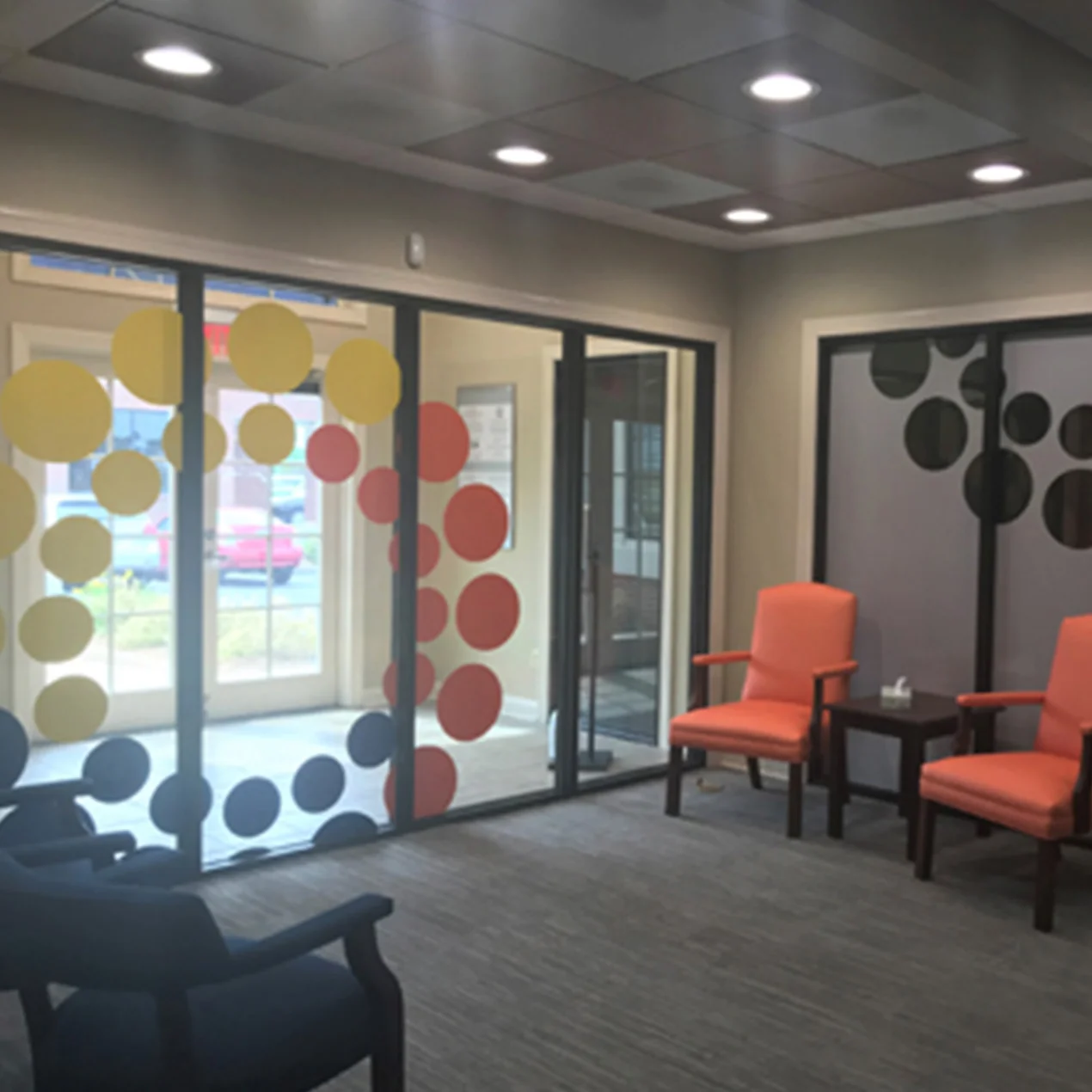
In 2020, we prepared to open new branches in several locations: Jacksonville, Florida; Greenville, South Carolina; and the Crenshaw area of Los Angeles. These new branches are now up and running.
Just recently, we also expanded our presence to the state of Washington, merging with Lower Valley Credit Union.
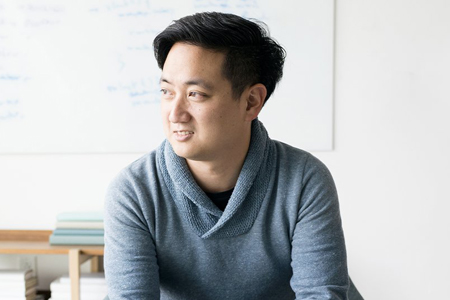
Tim Chen, co-founder and CEO of NerdWallet, not only provided leadership in directing a mission deposit to Self-Help but also offered NerdWallet volunteers to share their expertise.
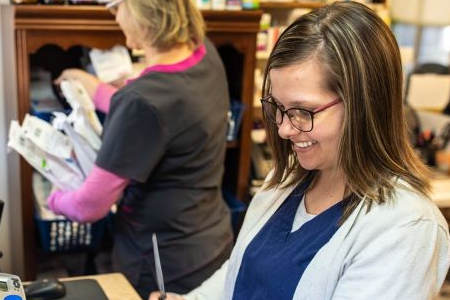
Deposits to Self-Help are investments in your community, supporting loans for organizations such as Appalachian Mountain Community Health Centers in western NC, which provides high quality health care in multiple locations to people who are uninsured.
CHARLOTTE, NC
We began 2020 by merging with a historic credit union, First Legacy Community Credit Union of Charlotte, NC.
First Legacy's roots go back to 1941, when school principal J.E. Grigsby started a credit union in the basement of his home to serve local Black educators. That tiny credit union grew to become First Legacy Community CU, at one time the largest Black-owned credit union in NC. We are humbled and excited to continue their legacy in Charlotte and also in nearby Salisbury.
CHARLOTTE, NC
We began 2020 by merging with a historic credit union, First Legacy Community Credit Union of Charlotte, NC.
First Legacy's roots go back to 1941, when school principal J.E. Grigsby started a credit union in the basement of his home to serve local Black educators. That tiny credit union grew to become First Legacy Community CU, at one time the largest Black-owned credit union in NC. We are humbled and excited to continue their legacy in Charlotte and also in nearby Salisbury.
Our Legacy Series: Honoring our Blended Family
Our mergers over the years have given us the opportunity to carry on the legacies of incredible community-based financial institutions while also expanding services for their members. We’ve documented the history of many of these institutions in a series of short documentaries. Watch two of the most recent below:
In a typical year, Self-Help purchases large volumes of mortgages from other lenders to encourage them to make more loans to lower-wealth families. In 2020 when COVID-19 struck, we had to quickly pivot when many of our existing homeowners suddenly were at risk of losing their homes.
Self-Help’s focus shifted from loan purchases to preserving homeownership. Many lenders offered payment pauses (forbearance) or loan modifications during 2020. With our focus on helping those homeowners most impacted by the pandemic, the share of forbearances we offered was more than double the industry average, allowing more people to stay in their homes.
We also were able to purchase a total of $83 million in loans to support homeownership for 438 first-time home buyers. Beginning in 2021, we have ramped up our mortgage purchases to continue expanding wealth-building opportunity for more families.
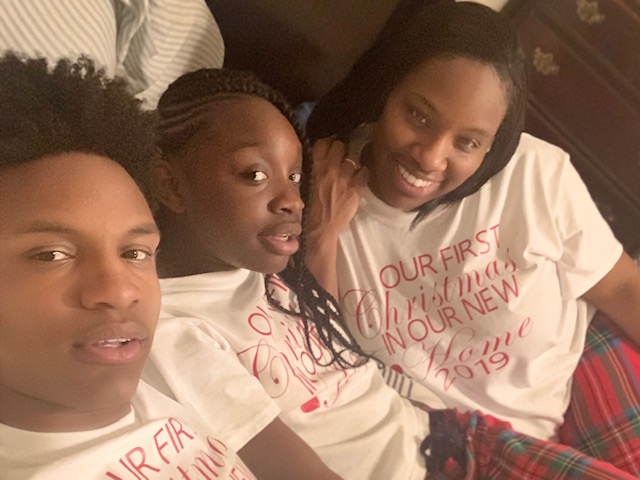
When Vanessa Massey and her two children moved into their own home in 2019, it was a dream come true. In 2020, when Vanessa became ill with COVID-19, both her health and her house were at risk. She was one among thousands of homeowners that Self-Help worked with to modify their loans or give payment pauses (forbearance) so that families could get through the hardships of the pandemic without harming their credit or losing their home.
"If you have kids, you want to own something to pass down to them," said Vanessa Massey (pictured right).
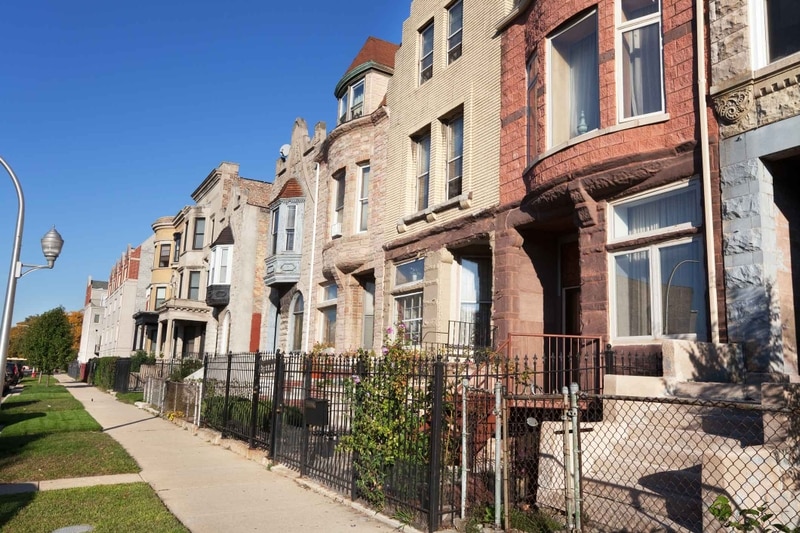
The racial homeownership gap in the Chicago area is one of the worst in the country, with fewer than 40% of Black families owning their homes compared to 74% for white families. In 2020, Seaway, a division of Self-Help Federal Credit Union, took a big step to help close the gap by partnering with a large independent lender, Guaranteed Rate. Through this partnership, Seaway can now offer members on the South Side of Chicago a broader array of affordable mortgages, including FHA and VA loans.
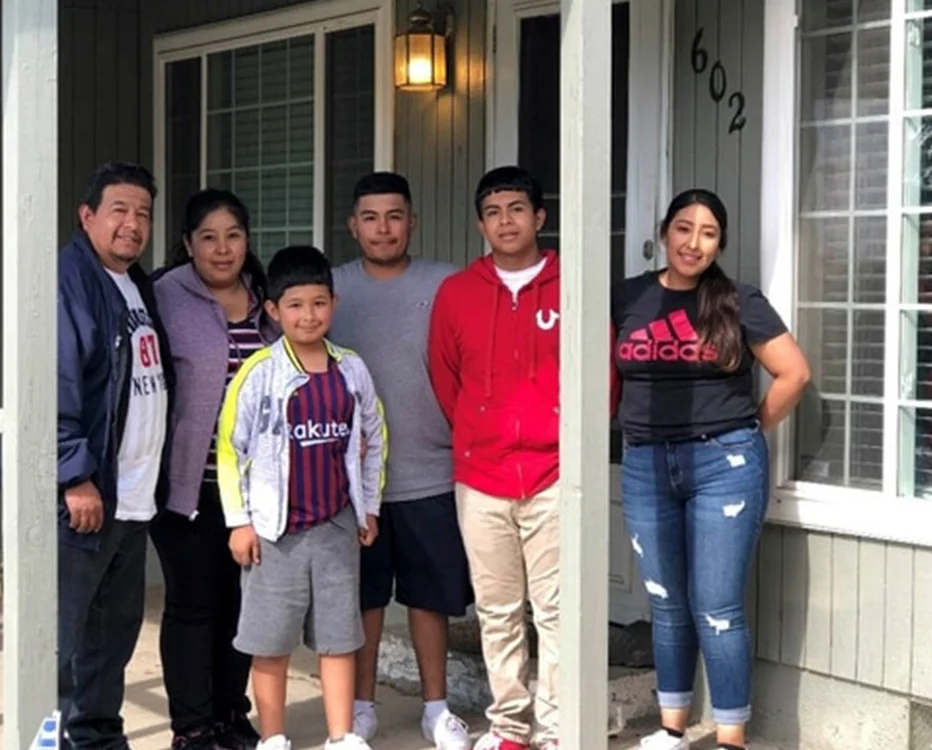
Undeterred, they took steps to qualify: Ms. Rodriguez got a full-time job to bring in more income, and the family diligently gathered documents to support their application. They considered going to a high-interest private lender, but returned to Self-Help, where we were happy to take another look and approve the loan.
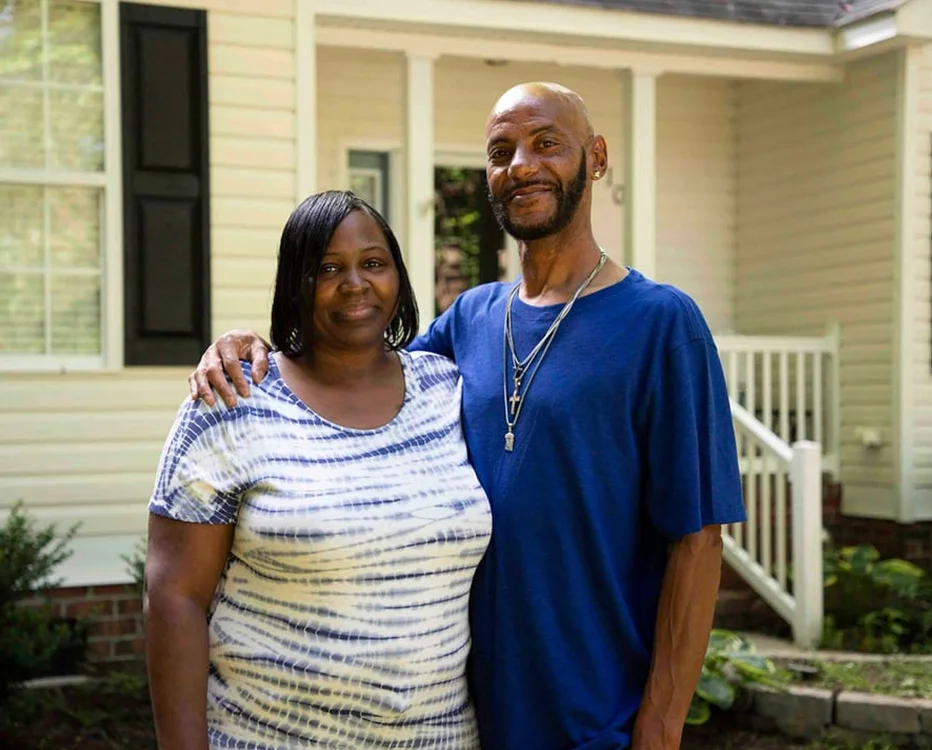
For years, Ms. Cotton had wanted to own a home, and she started learning all she could about how to prepare and qualify. “I was going to become a homeowner no matter how long it took,” she said. Finding an affordable place that met her needs wasn’t easy, but today she and her husband Travis (they're newlyweds!) enjoy having more space in their own home.
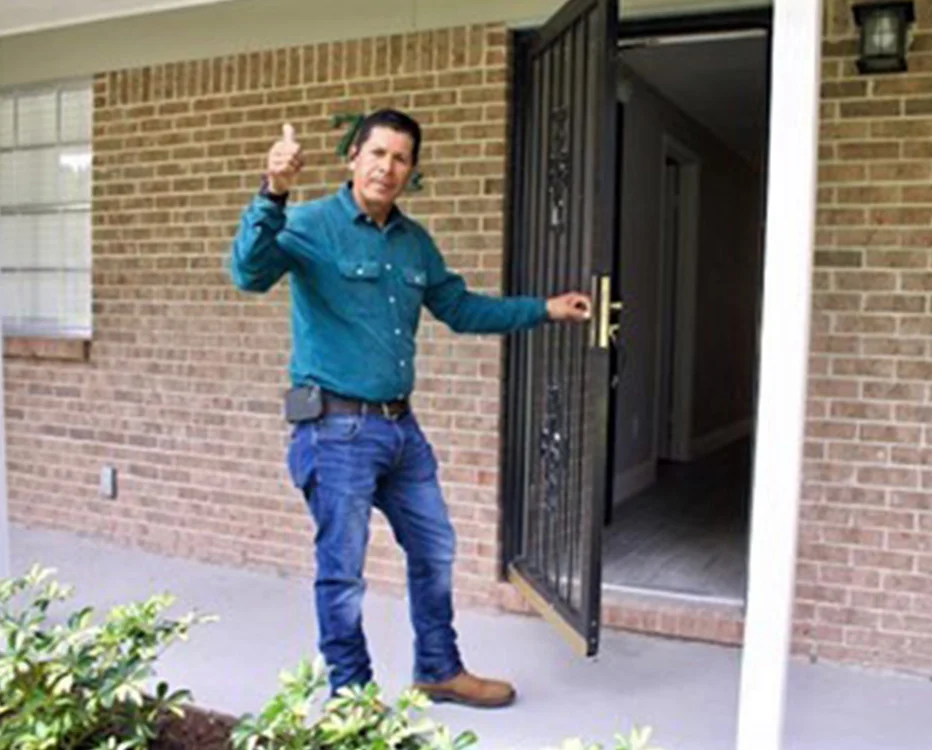
When he searched for a financial institution to help make his dream come true, he found Self-Help. Mr. Aguilar said, “I want to tell everyone not to miss the opportunity to become a homeowner.”
Commercial lending with an impact
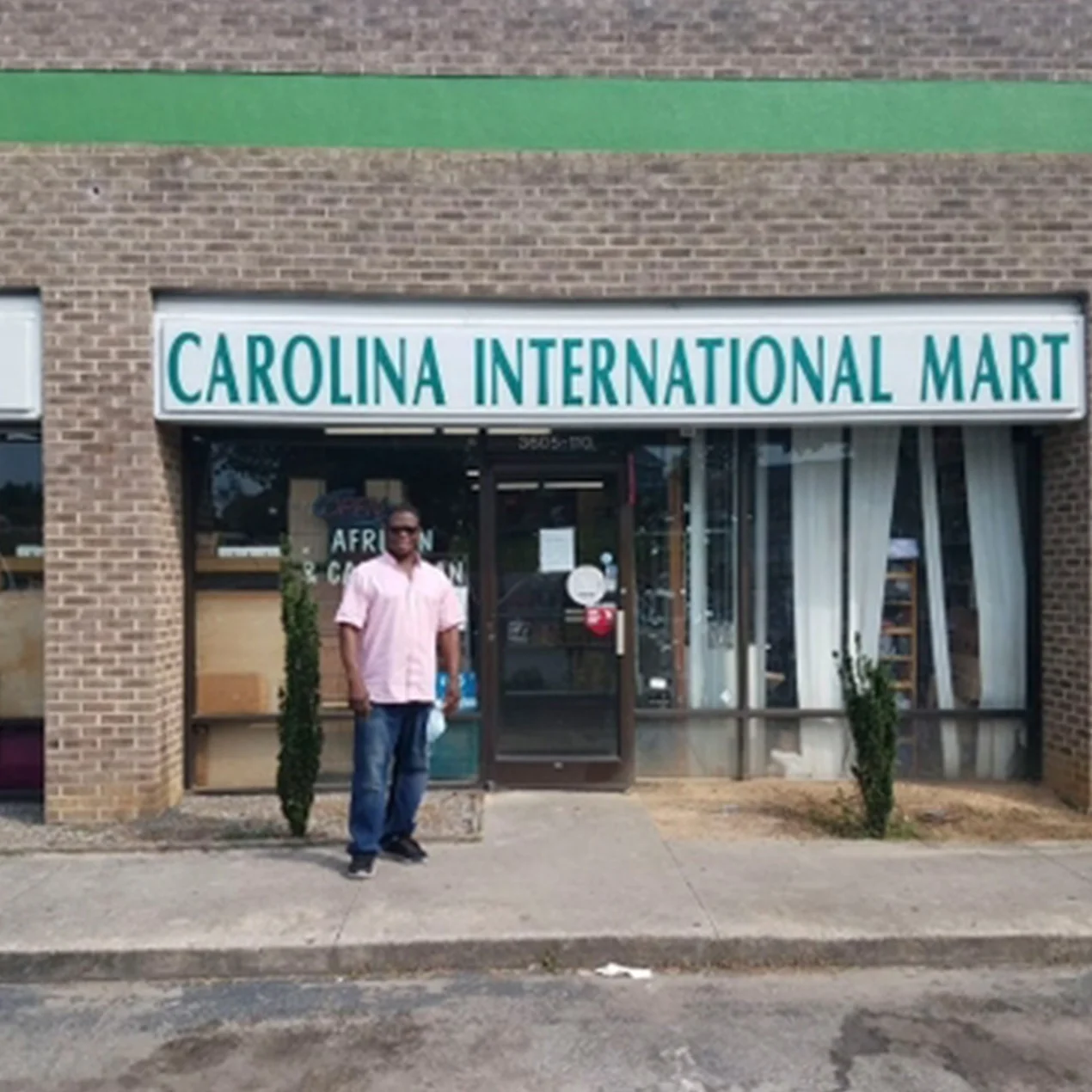
RALEIGH, NC,
Emil Tutu drew on his 18 years of experience to successfully expand his African-focused grocery market, Carolina International Market.

DURHAM, NC
High-performing charter school Maureen Joy supported its students through the pandemic and also bought its building in East Durham, NC, becoming even more rooted in the community.
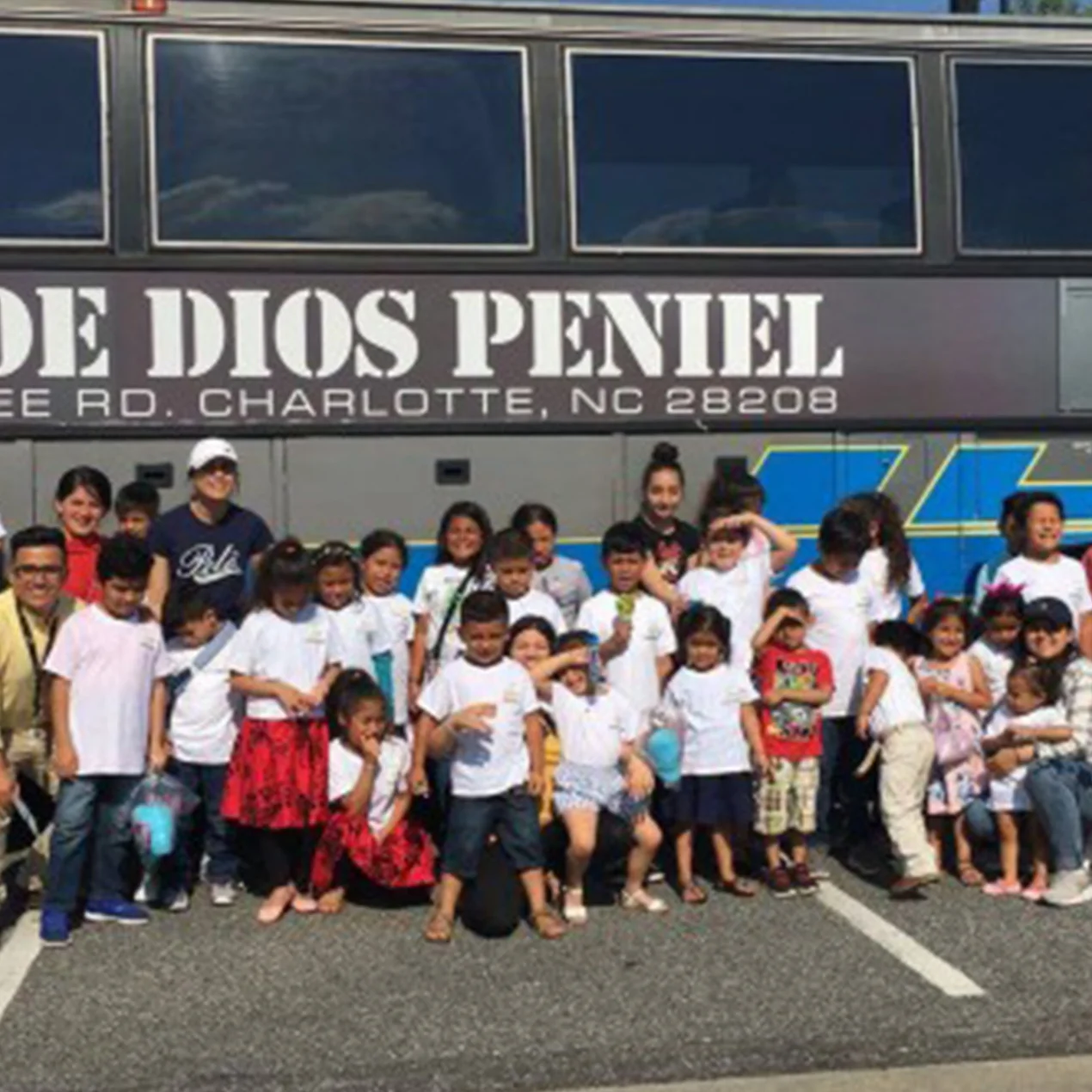
CHARLOTTE, NC
Our loan to Iglesia de Dios Peniel helped the church expand to serve more members and provide more services to the wider community.
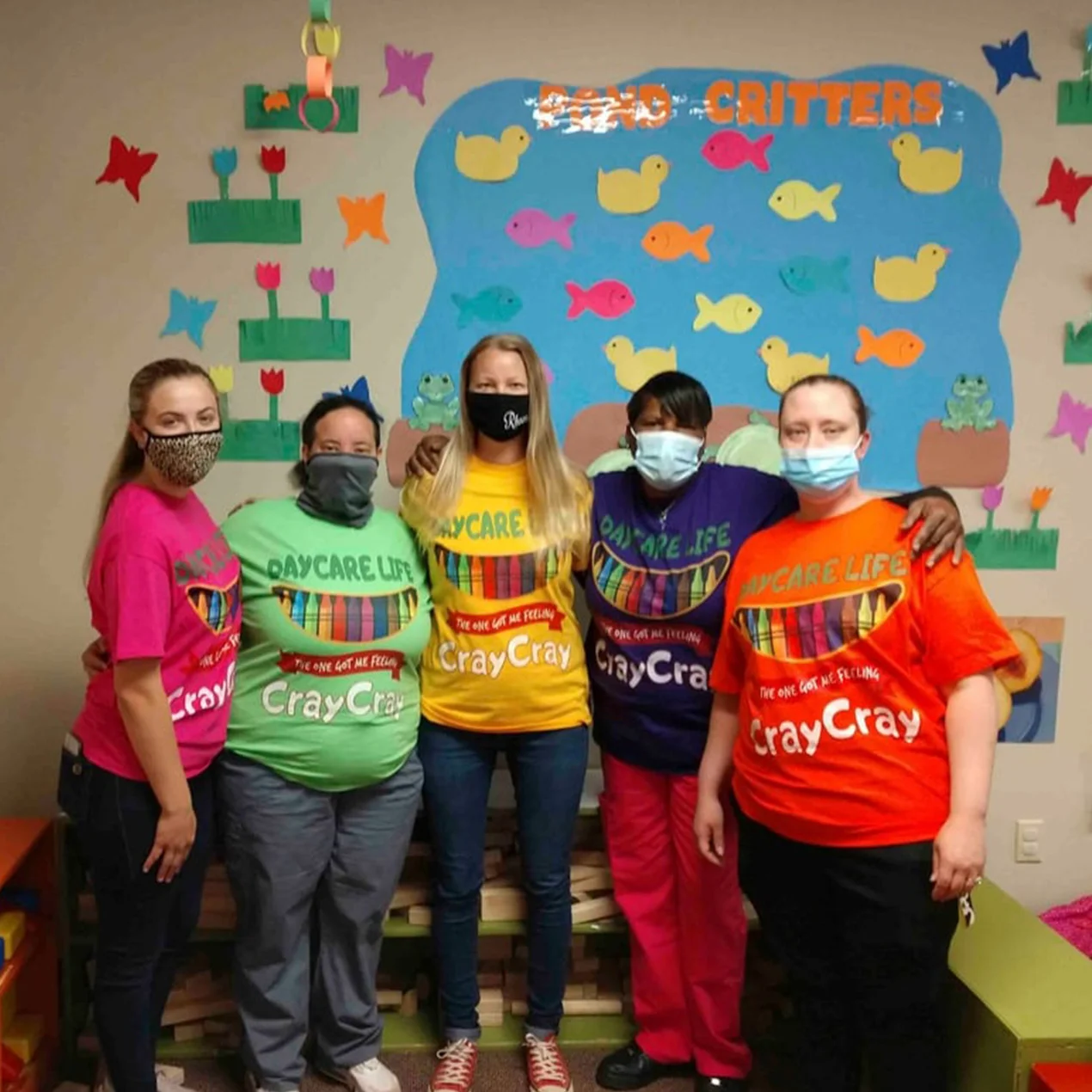
WESTERN NC
With her new child care business in rural Western North Carolina, Jayme Williams is living out her dream and filling a critical community need.
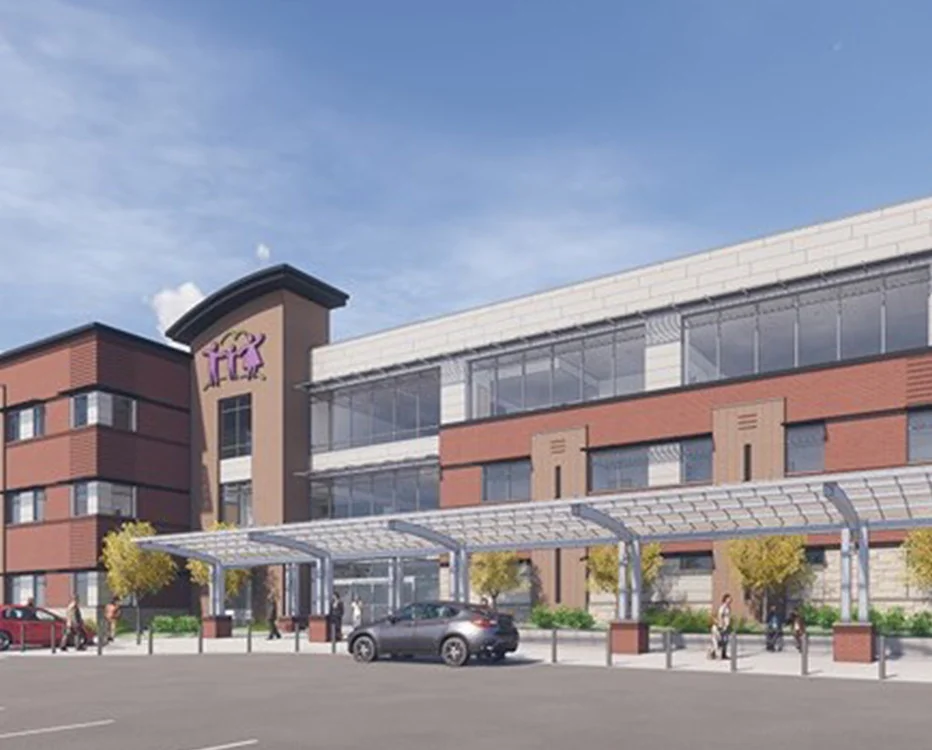
Since 1983, Colorado’s Pueblo Community Health Center has been a medical resource for underserved families. Our loan to help them build a new clinic is a multiple mission fit: revitalizing the surrounding community and providing medical and dental service to thousands of patients. It also will operate on “net zero energy,” achieved through comprehensive energy efficient design and solar panels that produce as much energy as the buildings use.
Find out more about our investments in sustainable energy projects, particularly those that benefit communities disproportionately affected by climate change.
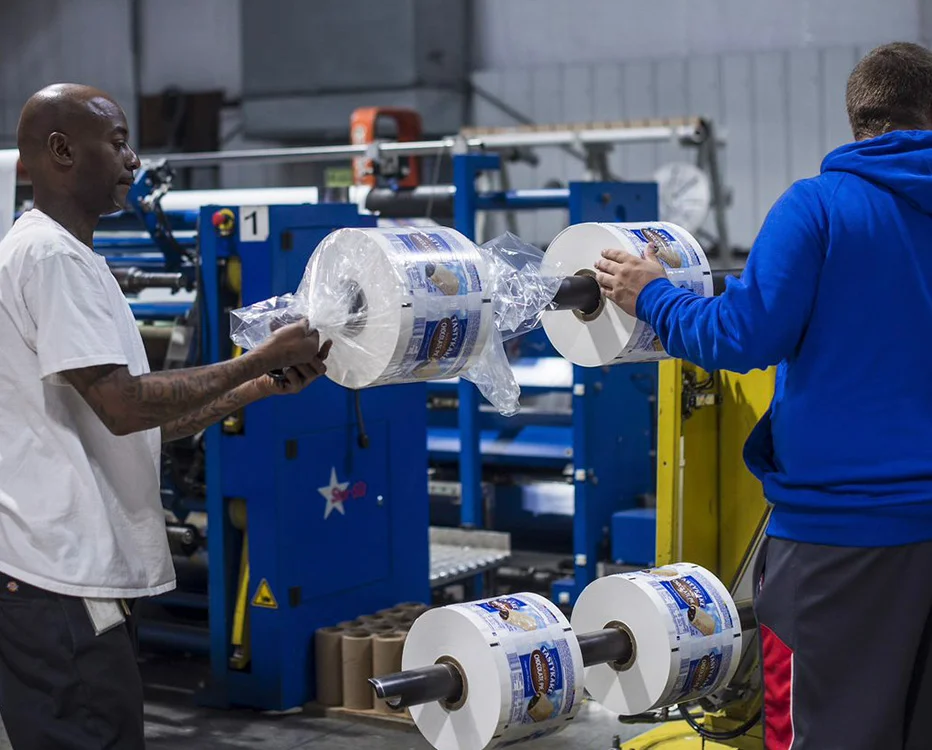
Family-run manufacturing business Classic Packaging Company has big plans for growing, but an expensive lease agreement for a crucial piece of equipment was holding them back. With an SBA 504 loan from Self-Help, CPC has been able to buy the equipment outright and move forward on its goals for the future.
The Black homeownership rate is only around 46% compared to nearly 76% for white homeowners. With partners, CRL is working to expand fair, sustainable homeownership. One key issue in 2020 was the Department of Housing and Urban Development’s assault on “disparate impact,” a longstanding legal tool necessary for addressing discriminatory practices.
In September, CRL hosted a virtual panel, “Homeownership, COVID-19, and increasing Access to Black and Latino Borrowers.” CRL continues to work with allies to reverse HUD's 2020 rule on disparate impact that represented a giant step backward for fair housing.
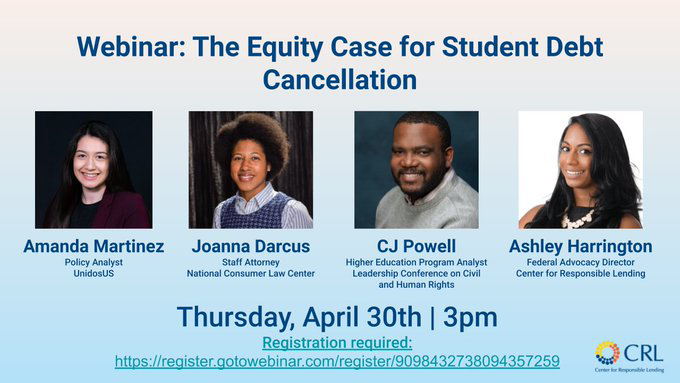
An entire generation – 45 million people – is struggling with student loan debt that stands at $1.7 trillion. CRL has been a leader in standing up for student debt relief, conducting state polls showing bipartisan public support for debt cancellation, publishing research and advocating for cancellation of $50 thousand per borrower.
CRL is a leading voice in a coalition focused on student debt burden as a civil rights issue that has a negative effect on our nation's economy. The group's efforts led to student debt cancellation becoming a mainstream issue in the 2020 presidential election and beyond.
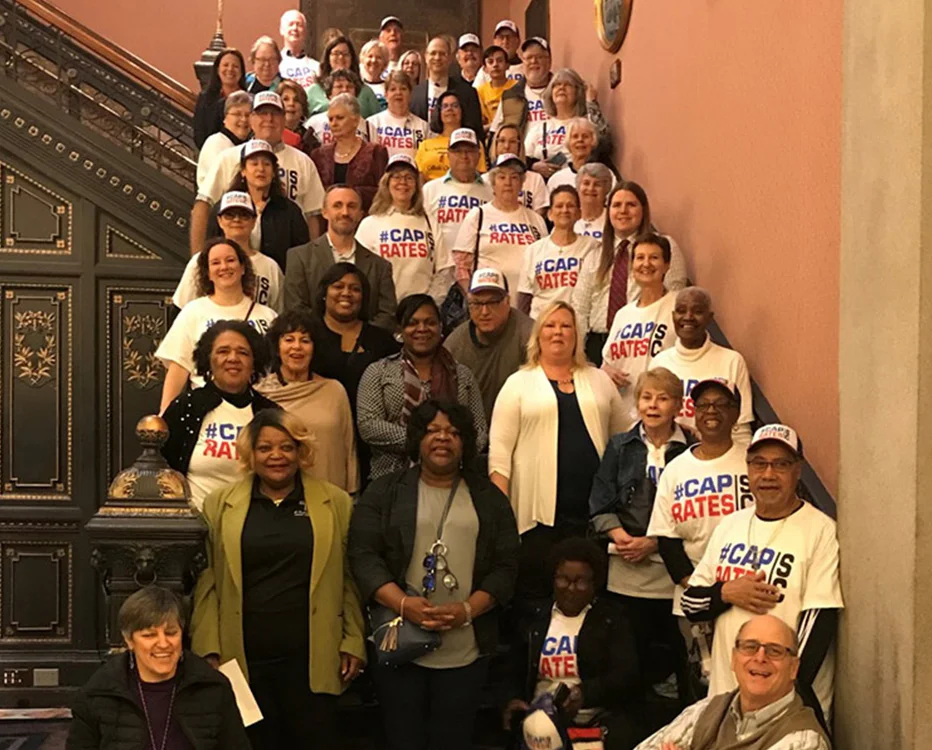
In 2020, CRL joined local groups to support a citizen’s initiative in Nebraska to cap annual interest rates at 36%. The initiative passed with 83% of the vote, effectively ending predatory payday loans in Nebraska. CRL and local Self-Help staff are also working with the South Carolina Fair Lending Alliance to stop debt-trap lending in that state, where the average interest rate on alternative loans is 395% APR.
A #CapRateSC rally in early 2020 attracted more than 150 people in connection with a hearing to rein in predatory lending on consumer loans.
- Kerri Smith, Self-Help's City Executive in Greenville
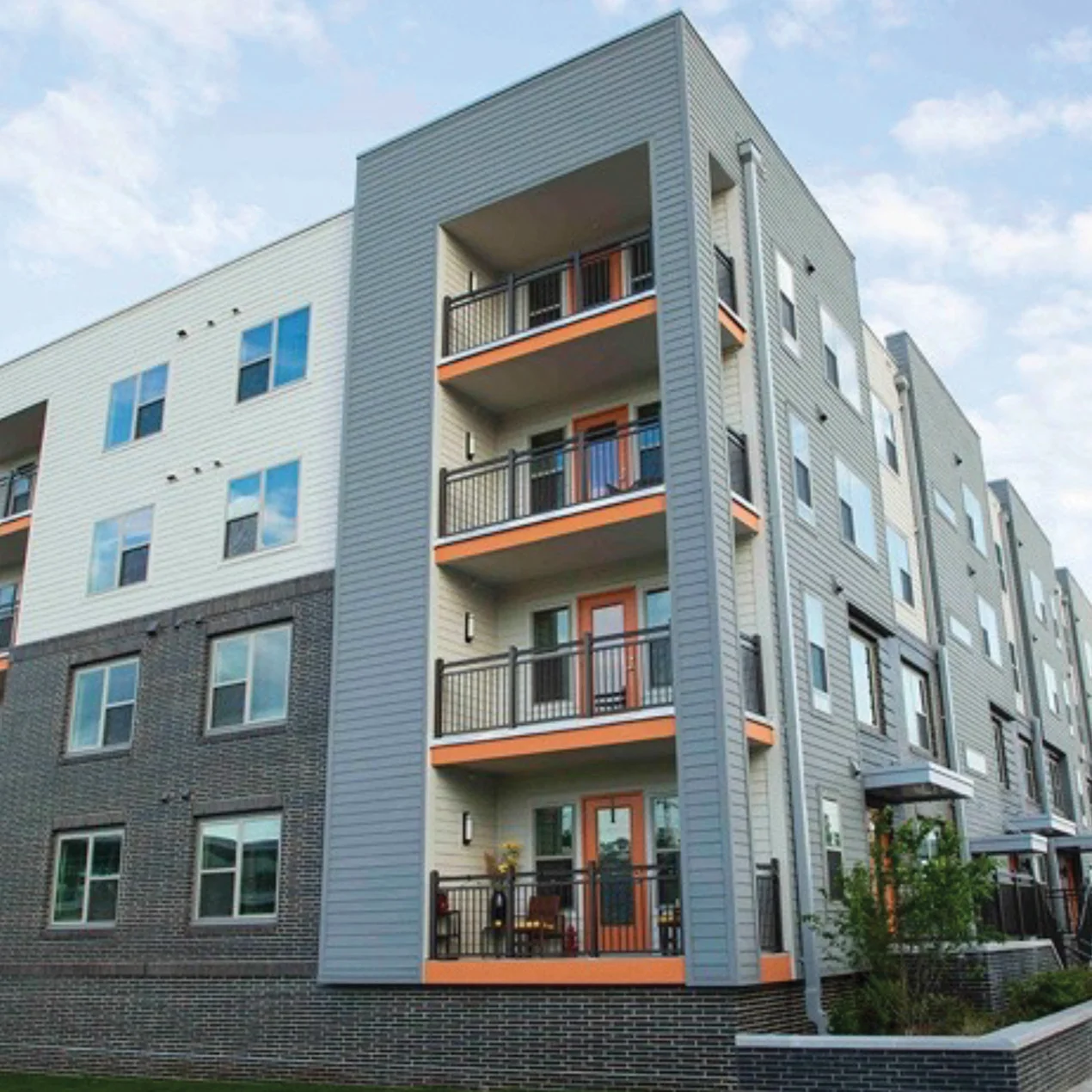
Willard Street Apartments began to take shape over five years ago when community advocates in Durham, NC urged the city to invest in affordable housing downtown near public transportation. With our development partner DHIC, Inc., and with financial support from the City, Duke University and the A.J. Fletcher Foundation, Self-Help Ventures Fund built 82 affordable units next to Durham's transit center. This $21 million investment includes many amenities for residents and a nonprofit dental clinic open to the public. All 82 units are leased, including 21 for Durham Housing Authority clients.
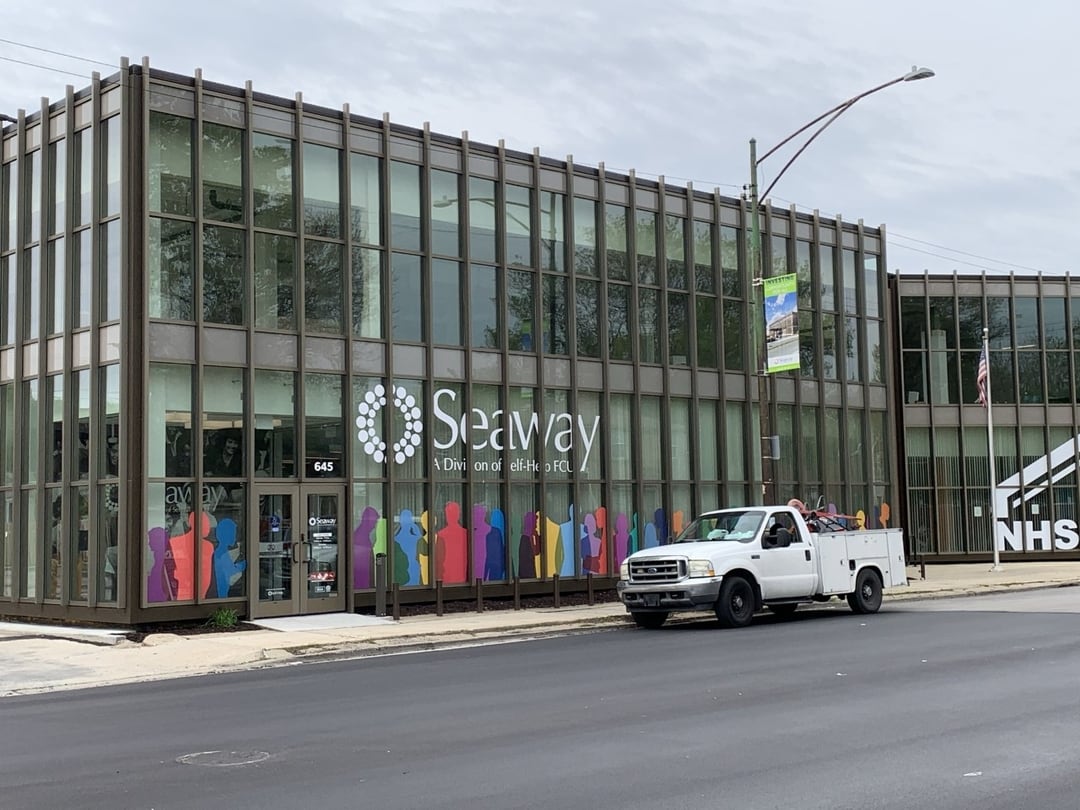
In 2020, we nearly completed extensive renovations to the headquarters building for Seaway, a Division of Self-Help Federal Credit Union. The updated building, located in the Chatham neighborhood, is now open with plenty of space for retail, offices and community partners, including Neighborhood Housing Services. This $14.2 million investment represents the continuation of Seaway's legacy on the South Side, a commitment to fair financial services in the community, and an investment in Chatham's future.
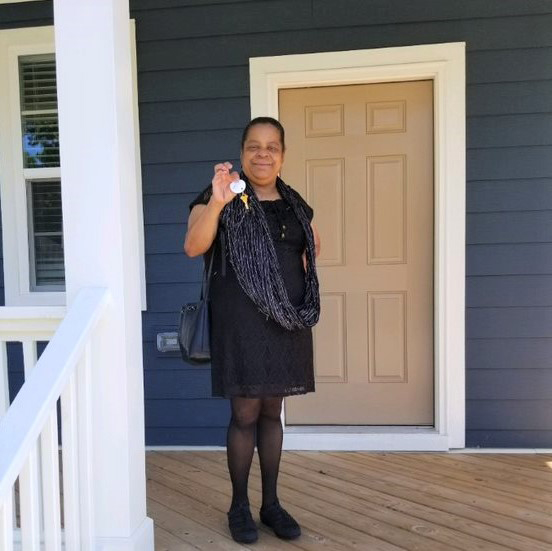
For years, Self-Help has partnered with the Southside Neighborhood Association and the City of Durham on a homeownership initiative in the city's Southside community, a historically African-American neighborhood. In 2020 Self-Help developed and sold five homes built on previously vacant lots to Black first-time homeowners, including those with family ties in the community. In an area where houses sell for up to $500,000 or more, these five homes sold for $147,000, with several buyers taking advantage of a NC Housing Finance Agency down payment assistance program.
A happy new homeowner in the Southside neighborhood.
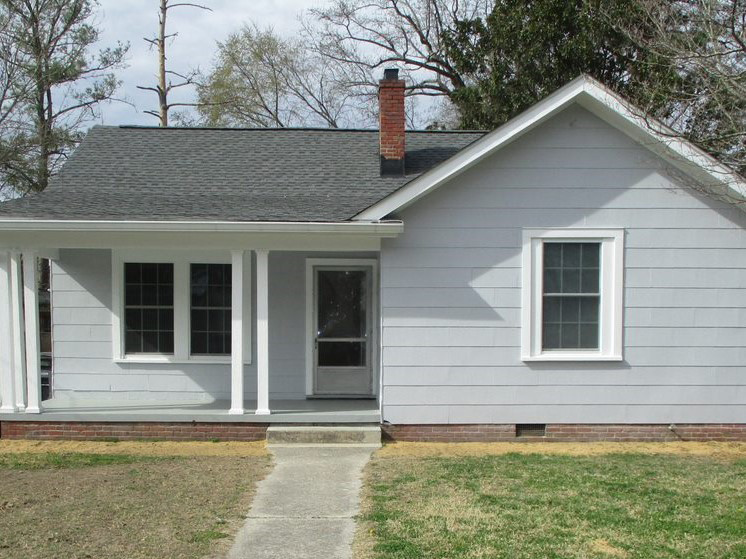
In 2020 we launched a project of renovating and revitalizing 58 residential properties in Rocky Mount, NC. It began when we acquired a mix of vacant lots, vacated properties and some occupied homes from the NC Community Development Initiative. Many of these houses will be updated with energy-efficient rehabs and put back in service. In 2021, working with local and minority contractors, we will start renovating 11 vacant units of housing to create affordable rental opportunities.
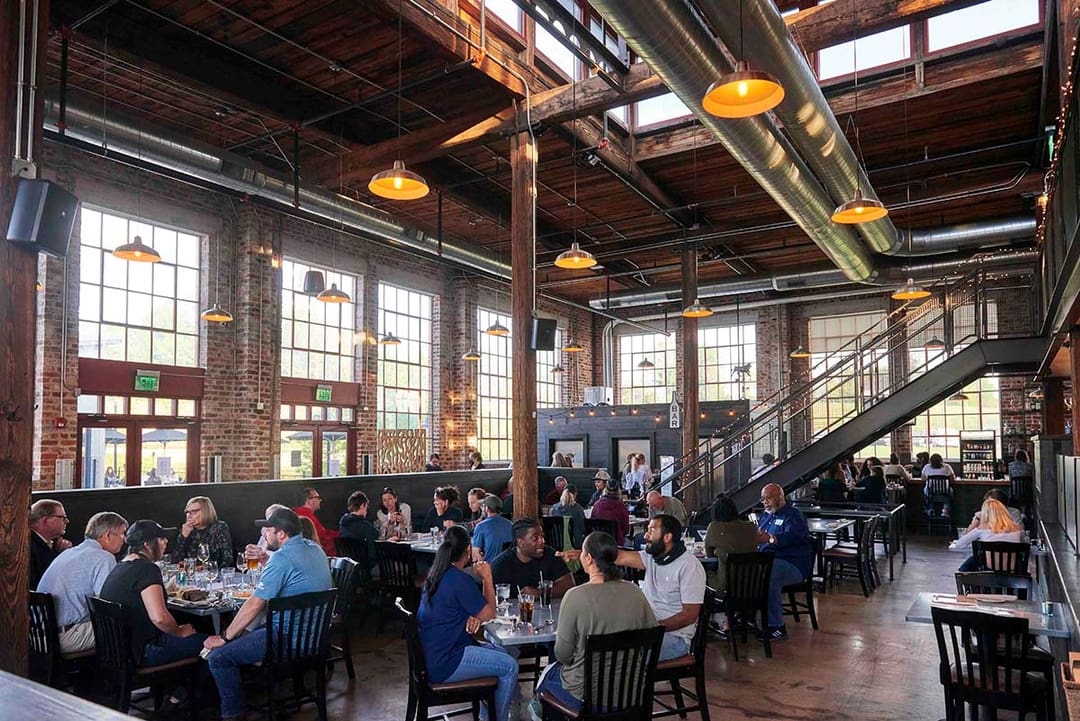
A large part of our real estate team work during 2020 was dedicated to helping tenants in buildings we own. One example is Kau, a restaurant and market in Revolution Mill in Greensboro, NC. Owner Kayne Fisher refused to let the pandemic permanently shutter his dream enterprise. With plenty of ingenuity and hard work from Kayne and his staff—and some flexibility on rent and a PPP loan from Self-Help—Kau is now open again.
Milestones and financials
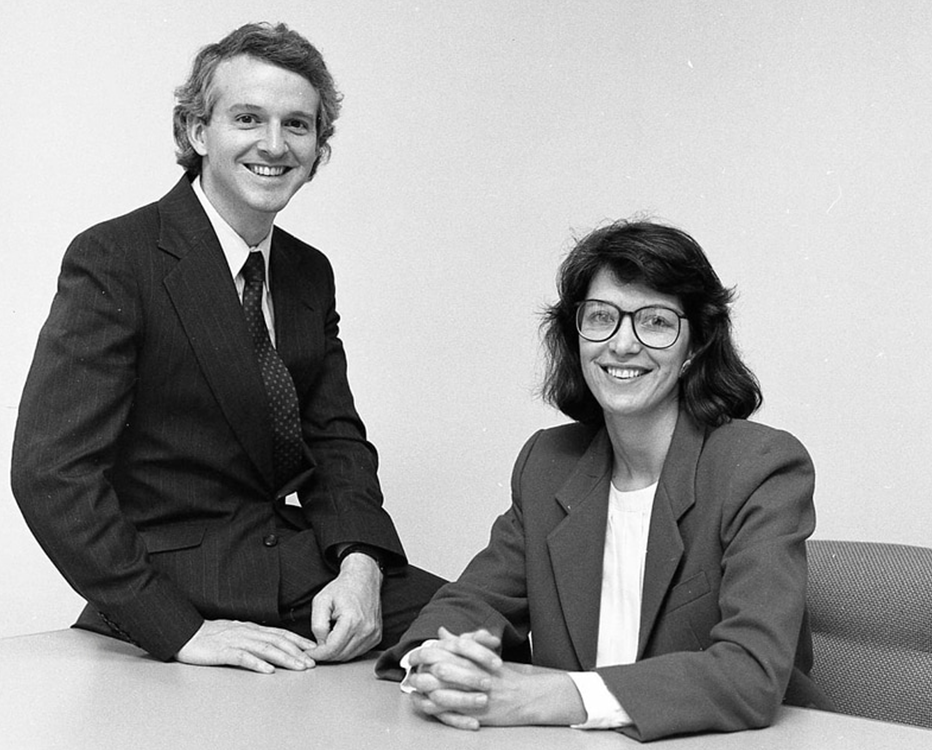
Self-Help started as an effort by Martin Eakes, Bonnie Wright and others to help displaced workers in NC develop worker-owned businesses. A lot has happened since then. In 2020, we celebrated our 40th anniversary. Take a look at a timeline scrapbook of some of the milestones we’ve celebrated along the way.
Celebrating 40 Years of Community and Looking Ahead
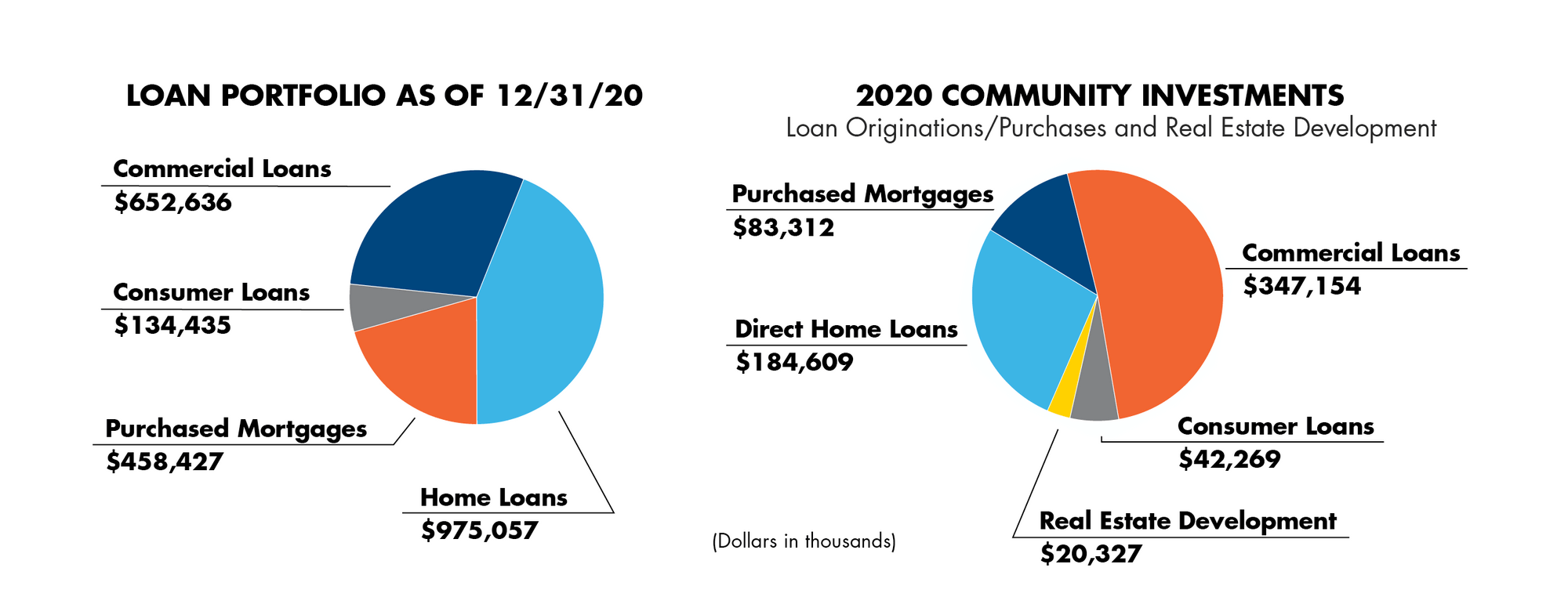
Financials