

Everything you need to know about partnering with Self-Help
Learn what Self-Help looks for in partners, partnership requirements, process timelines, and what to expect when you collaborate with us. Get answers to common partnership questions.
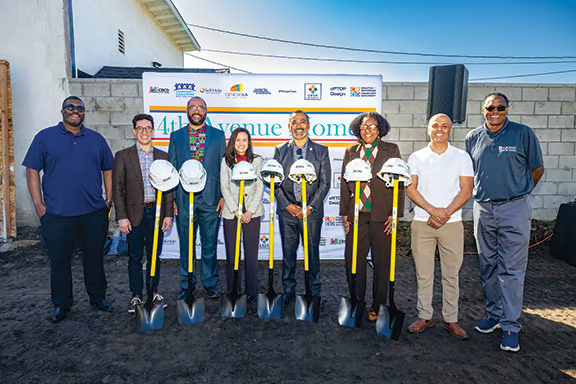
We prioritize these partner qualities:
- Works directly with communities of color, low-income communities, or rural communities
- Demonstrates commitment to economic justice and equity
- Has deep community relationships and trust
- Proven track record in your field
- Strong governance and financial management
- Capacity to execute partnerships effectively
- Values long-term relationships over transactions
- Willing to share learnings and adapt together
- Transparent about challenges and goals
- Tracks community outcomes, not just outputs
- Committed to accountability and evaluation
- Willing to share impact data
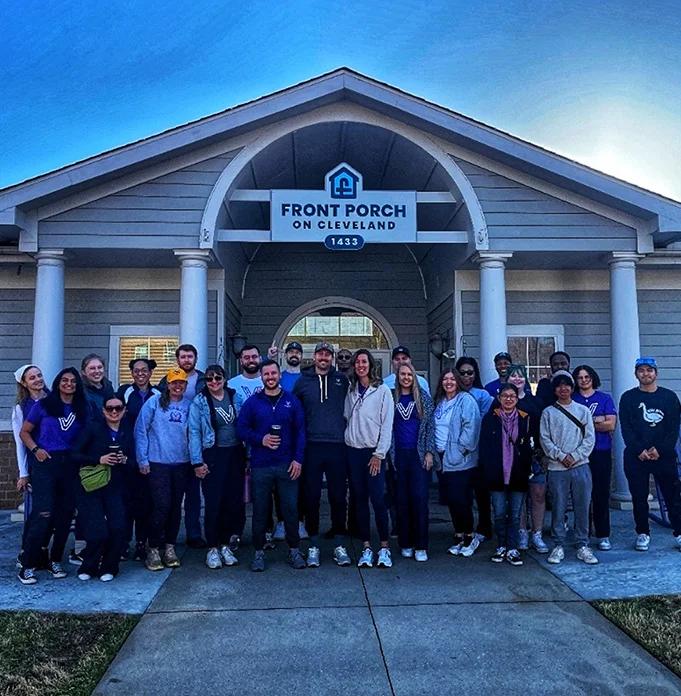
Our strongest partnerships share mission alignment, operational strength, collaborative approach, and commitment to measurable community impact.
Self-Help partners with nonprofits on community development, affordable housing, small business support, and financial education.
Examples: Community development corporations, affordable housing developers, small business organizations, financial capability nonprofits
Self-Help partners with small businesses and mission-driven corporations on supplier diversity, community investment, and financial wellness programs.
Examples: Small businesses offering services, businesses seeking mission-aligned banking or investments
Self-Help partners with government entities on affordable housing finance, community facility development, and economic development.
Examples: Housing finance agencies, economic development departments, municipal governments
Self-Help partners with foundations on grant-funded projects, research, and systems change work.
Examples: Community foundations, national foundations focused on economic mobility
Self-Help partners with other CDFIs on co-lending, risk-sharing, and expanding capital access.
Examples: Community development loan funds, CDFI credit unions, mission-driven banks
Partnership requirements
Partners must share Self-Help's commitment to creating economic opportunity for underserved communities. We partner with organizations that welcome and serve people of all backgrounds.
Partners should have operational capacity to execute partnerships effectively. Self-Help evaluates financial strength, governance, staffing, and track record.
Partners must commit to measurable community impact. Self-Help works with organizations that track outcomes, prioritize accountability, and center community needs.
Self-Help operates in California, Connecticut, Florida, Georgia, North Carolina, South Carolina, Virginia, Washington and Wisconsin. We prioritize partnerships in these states but also engage in national partnerships aligned with our mission.
Self-Help reviews partnership interests and if there's potential alignment, we will schedule an initial conversation.
Simple partnerships can take a few weeks, while complex partnerships take a few months. Self-Help prioritizes thorough partnership design for long-term success.
Self-Help builds long-term partnerships. We provide regular communication, impact reporting, and opportunities to adapt as needs evolve.
Self-Help values shared learning with partners. We document lessons, share insights, and continuously improve together.
Submit your partnership interest form. Our team will contact you.