April 22nd is Earth Day, which serves as a reminder each year of what it means to create a cleaner, healthier environment for everyone.
However, clean energy upgrades can have hefty price tags that can be difficult to justify as optional improvements. So, the question is – are they really worth it?
In this blog post, we will be discussing some of the costs and benefits of clean energy upgrades and options for improvements that won’t break the bank.
Why Switch to Clean Energy?
Depending on what kind of upgrade you’re choosing to make, you will likely notice cost savings right away. Often these savings far outweigh your initial investment. Here are a few examples*:
🪟 Insulated Windows
Initial Investment
$150–$4,000 per window; $6,685–$33,425 for whole-house replacement
Savings
$100–$580 annually
Why It Helps
25–30% of a home’s heating and cooling energy is lost through its windows. Minimizing this loss means your HVAC doesn’t have to work as hard. Learn more.
☀️ Solar Panels
Initial Investment
$12,000–$30,000 for installation
Savings
$25,500–$33,000 over the lifetime of your solar panels (after breaking even)
Why It Helps
Solar panels are one of the most impactful energy-efficient upgrades you can make. They use the power of the sun to generate electricity, which drastically reduces your electric bill. Learn more.
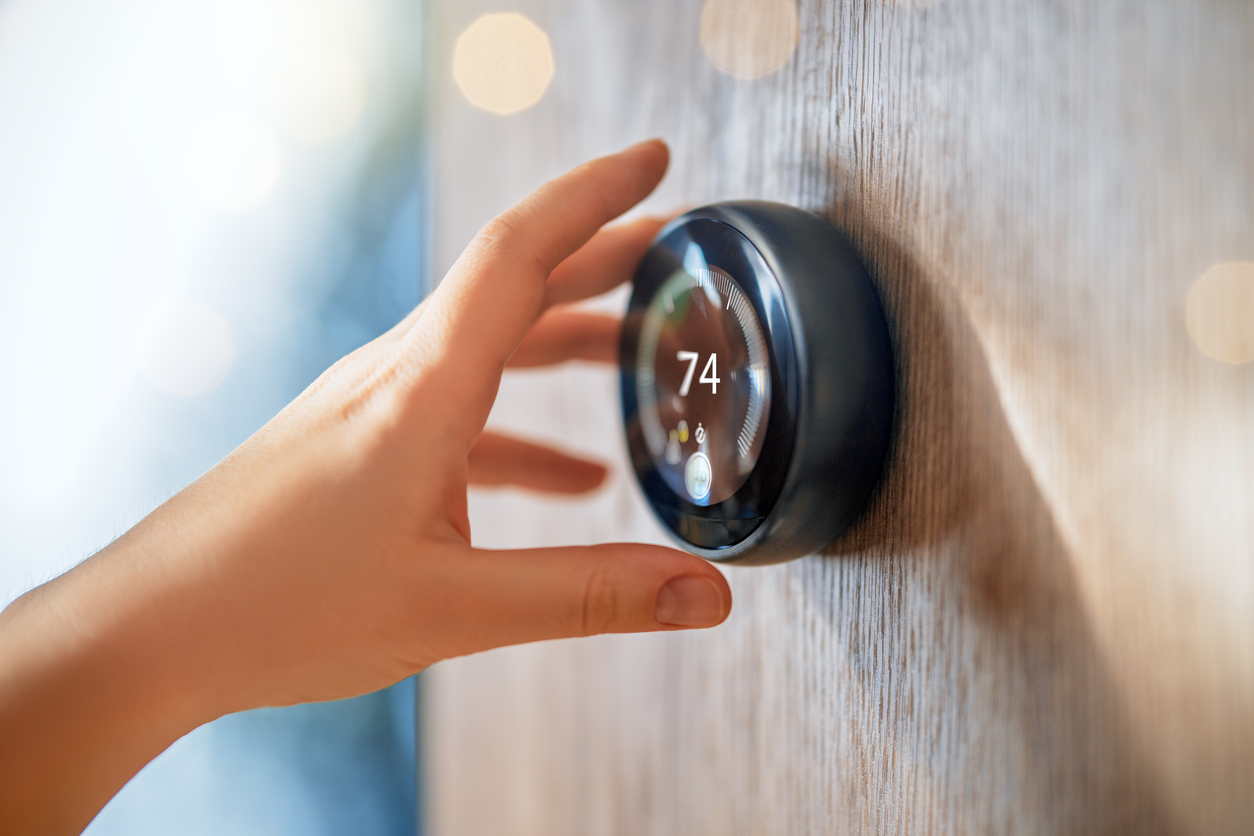
🌡️ Smart Thermostat
Initial Investment
$200–$500 for basic thermostat and installation; $2,000–$12,500 for complex set-ups with multiple thermostats or zoning systems
Why It Helps
Smart thermostats save energy and increase comfort. They can adjust temperatures based on your schedule, saving on heating and cooling costs with special features that help optimize usage. Learn more.
❄️ HVAC
Initial Investment
$3,000–$12,000, but could go up to $25,000 depending on your system, efficiency, and needs
Savings
$330–$750 annually
Why It Helps
HVAC technology has changed, resulting in more efficient energy usage. The efficiency ratings will largely govern the costs and savings you could experience, but most people recover the cost in 5–7 years. Learn more.
⚡ Electric Vehicle
Initial Investment
$7,000–$12,000 more than comparable gas vehicles, with average prices from $45,000–$55,000 — but keep in mind there are pre-owned options
Savings
Up to $2,200 annually on gas (plus maintenance savings – no oil changes, fewer brake jobs, etc.)
Why It Helps
With the cost of gas being as unpredictable as it is, switching to an electric vehicle is a great consideration that can save you money long-term. Compare costs and savings between various electric vs. gas cars by state with ZETA’s calculator.
It’s also important to keep in mind that any upgrades you make to your home can not only save you money, but they could also increase the value of your home when it comes time to sell, providing even more value to these clean energy upgrades.
It’s More Affordable Than You Think
While the major upgrades mentioned above can require a large investment upfront, there are many options that can make these major upgrades more accessible, or you can consider a number of alternatives that fit with your budget.
Here are a few options to make clean energy more affordable.
State/local grants & loans
Many states and cities offer programs to qualifying residents that provide flexible financing, project assistance, and funding to people who want to make clean energy upgrades. A quick search will help you find options in your area.
Affordable financing
Taking advantage of responsible, affordable financing might make the switch to clean energy easier than you think. Self-Help’s goal is to make the benefits of clean energy more accessible to our communities, so we offer a few different green loans to help you finance home energy upgrades, solar panel installation, and electric vehicles.
Start with more affordable options
While clean energy upgrades are great, they may not be accessible to many people even with added support. If you’re interested in finding easier, more cost-effective ways to start making upgrades in your home, consider options with smaller investments:
- Showerheads and faucets: Switching to low-flow shower heads and faucets can be as cheap as $20 for each new faucet or showerhead (if you need professional installation, make sure to factor that into your costs), and they can save you $30–$50 annually on water costs for faucets and $95–$130 annually for showerheads.
- Light bulbs: LED bulbs only cost $5–$7 each, with LED fixtures costing more, and they can save you $6 a year per bulb (an average of $225/year for a household) while also lasting 15–25 years longer than incandescent bulbs.
- Native plants: If you have a yard, consider switching to native plants. Not only will you support the natural flora and fauna in your area, but you will spend less money on water and upkeep. The cost will depend on your patience and gardening abilities (planting seeds yourself vs. installing mature plants or using a landscaper), but it is estimated this could decrease water use by 60–90% and reduce fertilizer and labor costs for maintenance, which can be in the thousands annually.
- Windows: If you have single-paned windows but don’t have the funds to replace them, there are a number of cheaper options to improve insulation, including window insulation kits with an insulating film you install yourself, thermal insulated curtains, or cellular shades.
It Benefits Everyone
Clean energy benefits our communities by providing jobs and creating safer, healthier environments for everyone. It’s estimated that more than 3.5 million Americans now hold jobs related to clean energy — more than are employed as nurses, cashiers, servers, or elementary school teachers.
What to Consider
Even if the long-term savings are enticing, it’s important that you don’t spend more than you are able to up front. While we aim to make clean energy upgrades more accessible to everyone so that the communities we serve can take advantage of the benefits, your financial health should come first.
If you’re interested in clean energy but you don’t have the available funds for an initial investment, start with the smaller upgrades we mentioned. In the meantime, you can set a savings goal to build up to larger upgrades.
If you need support in setting or achieving a savings goal, consider taking advantage of our financial coaching (free to members).
*These examples are general guidelines, but the real cost will largely depend on the area you live in, the size of your home, the quality of the upgrade you choose to go with, and more.